Every golfer dreams of hitting the perfect shot, but some achievements are so rare, they feel almost mythical. One of those is the albatross, a scoring term you might have heard whispered in golf circles but never seen in person.
While birdies and eagles are difficult enough, an albatross takes things to another level, making it one of the rarest feats in the game. In this guide, we’ll break down exactly what an albatross is, how it compares to other golf scores, and even highlight some of the most famous examples in golf history.
Whether you’re new to the game or brushing up on golf terminology, this is one scoring achievement worth knowing.
What is an Albatross in Golf?
With all the scoring terms and golf slang, it’s easy to get overwhelmed. Terms like birdies, bogeys, shanks, duffs, and topped shots are all too common. But what about an albatross?
An albatross in golf means scoring three under par on a single hole. There are only two realistic ways it can happen:
- Making a hole-in-one on a par 4.
- Holing your second shot on a par 5.
For context, here’s how it fits into golf scoring:
- Birdie = 1 under par.
- Eagle = 2 under par.
- Albatross (or “Double Eagle”) = 3 under par.
Yes, “albatross” and “double eagle” mean the same thing—it just depends on where you are in the world. Think of it like this: a birdie feels great, an eagle feels amazing, but an albatross? That’s a story you’ll tell for the rest of your golfing life.
Why is it Called an Albatross?
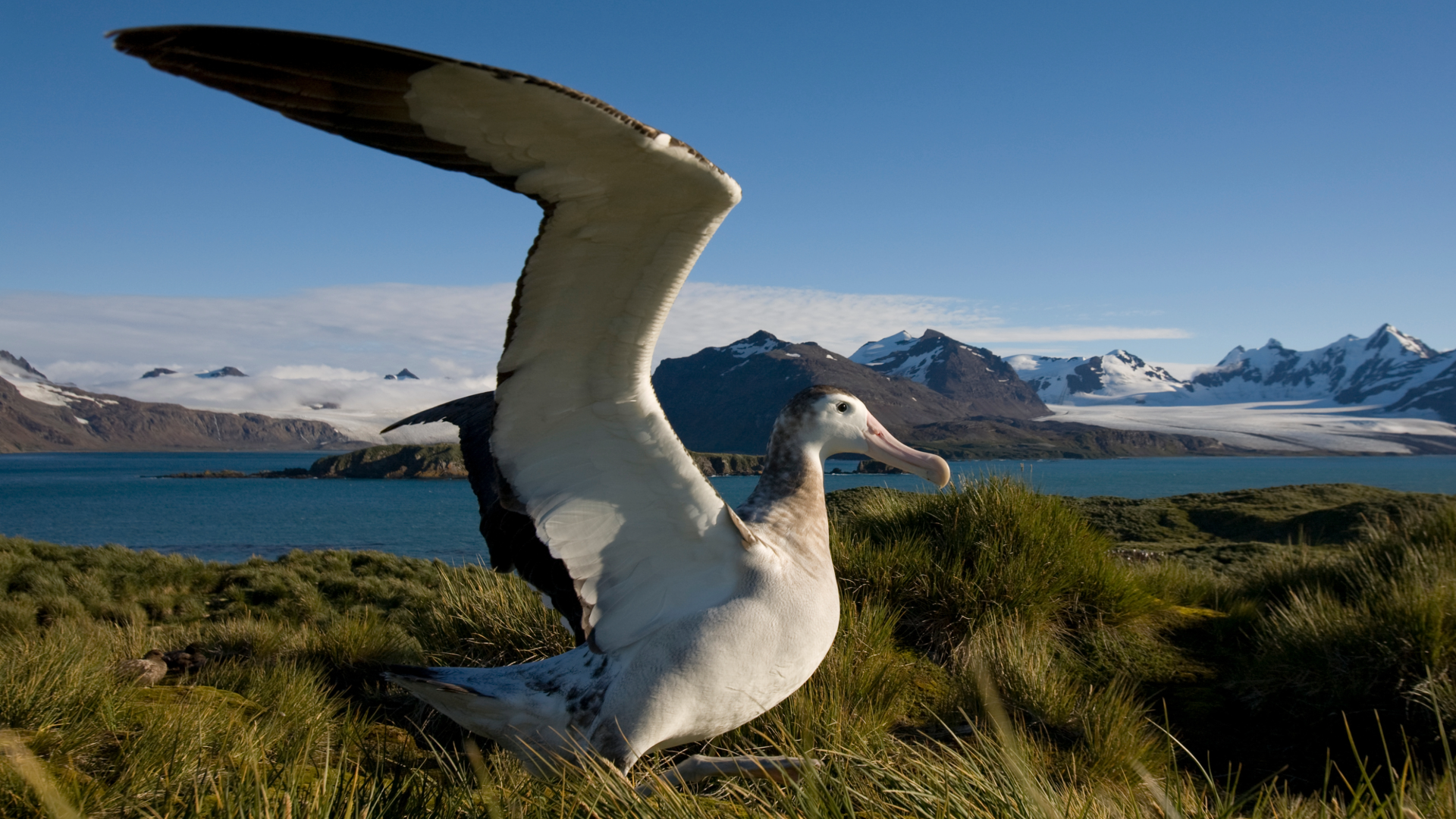
Golf has a quirky history of naming scores after birds.
- A birdie (one under par) got its name in the early 1900s from the slang “bird,” which meant something excellent.
- An eagle (two under par) followed naturally—bigger and better than a birdie.
The name reflects the shot itself: uncommon, powerful, and something you don’t see every day. So when players began scoring three under par, the term albatross was chosen, fittingly named after one of the rarest and most majestic birds in the world.
How Rare is an Albatross?
To put it simply: incredibly rare.
The odds of making a hole-in-one are estimated at about 1 in 12,500 for an amateur golfer. Compare that to an albatross, which some sources peg at around 1 in 6 million. That means you’re hundreds of times more likely to make an ace than to ever record an albatross.
Which begs the questions, why are they so rare?
A few reasons:
- Course design: Most par 5s are too long to realistically reach in two for the average golfer.
- Skill required: You need both distance and precision to even have a chance of hitting on the green, let alone holing out from long range.
- Luck factor: Even with perfect execution, the ball still has to bounce, roll, or spin just right.
Professional golfers hit millions of shots every year, yet albatrosses still make highlight reels because of how seldom they happen. For amateurs, it’s even more elusive, and most players will go their entire golf career without one.
So when you hear someone claim they made an albatross, it’s worth celebrating—it’s rarer than almost anything else in the sport.
Iconic Albatross Moments in Golf History
Because albatrosses are so rare, every one of them becomes an instant highlight. Here are a few of the most famous:
- Gene Sarazen at the 1935 Masters: Known as “the shot heard ’round the world”, Sarazen holed a 4-wood from 235 yards on the par-5 15th at Augusta National. It was only the second Masters ever played, and his albatross propelled him into a playoff, which he went on to win. This single shot helped cement the Masters as one of golf’s greatest tournaments.
- Louis Oosthuizen at the 2012 Masters: Nearly 80 years later, Augusta was again the site of another historic albatross. Oosthuizen hit a perfect 4-iron on the par-5 2nd hole, watching the ball roll more than 90 feet across the green and into the cup.
- Shaun Micheel at the 2010 U.S. Open Championship: He holed a 4-iron on the par-5 11th. Shaun is only one of three players to ever make an albatross in the iconic major championship.
These shots live on because they’re so rare. Even among the best in the world, an albatross is a once-in-a-career achievement. For fans, they’re moments you remember where you were when you saw them.
Common Questions About Albatrosses in Golf
Is an albatross the same as a double eagle?
Yes—both terms mean scoring three under par on a single hole. “Albatross” is more common internationally, while “double eagle” is often used in the United States.
What’s rarer: an albatross or a hole-in-one?
An albatross is far rarer. While the odds of an amateur making a hole-in-one are about 1 in 12,500, the odds of an albatross are closer to 1 in 6 million. The reason for this being a hole-in-one requires one perfect shot, while an albatross requires two highly skilled shots.
Can you make an albatross on a par 3?
No—it’s impossible. The lowest score on a par 3 is a hole-in-one, which is two under par. You’d need at least a par 4 to make an albatross.
Has Tiger Woods ever made an albatross?
Surprisingly, no. While Tiger has hit countless incredible shots, especially in majors, an albatross has eluded him in competition.
Is there anything better than an albatross?
Yes—a condor, which is four under par on a single hole (such as a hole-in-one on a par 5). Condors incredibly rare, with only a handful of reported cases in history.
Creating Your Albatross Moment
To give yourself a chance to make one of these iconic scores, work on two things; distance off the tee and approach shot accuracy.
- Playing the right driver and fundamentals can help you get in position for a chance on your approach shot. Check out the One Shot Slice Fix to improve distance and accuracy.
- Use forgiving hybrids and fairway woods for long approach shots. Clubs like the 357 and 359 can be game changers for amateur golfers.
Here’s to hoping you get the illusive albatross (or at least some eagles) in your career.